Black history is deeply woven into the story of cannabis legalization. It is present in the plant’s cultural use, the policies that shaped its criminalization, and in the communities that have endured the greatest harm from prohibition. As we reflect on Black History Month at the Budtenders Association, it is an important moment not only to celebrate Black excellence in cannabis today, but to recognize the historical realities that have shaped the industry we work in.
Cannabis Prohibition
Cannabis has deep cultural roots that cross continents and generations, but throughout the twentieth century, cannabis prohibition was influenced by racism, power, and social control. Despite similar rates of cannabis use across racial groups, the policies that established criminalization have disproportionately harmed Black communities through higher rates of arrest and incarceration for cannabis-related offences.
For anyone working in cannabis retail, leadership, or advocacy, understanding this history is necessary for us to represent this plant responsibly. Legalization alone has not automatically corrected the inequities created by decades of discriminatory enforcement. While our industry generates revenue, careers, and influence, it’s fundamental for us to understand the history of legalization and unequal systems that paved the way for it.
In both the United States and Canada, the consequences of cannabis prohibition were never evenly distributed.
Although cannabis use rates have historically been similar across racial groups, Black communities experienced disproportionately high rates of arrest, prosecution, and incarceration for cannabis-related offences. Beyond individual lifetime consequences, this disparity has caused long-lasting social and economic harm to entire communities.
In the United States, drug enforcement strategies throughout the twentieth century consistently targeted Black and marginalized communities. Large-scale arrest data show that differences in enforcement cannot be explained solely by usage patterns. Instead, policy design and policing practices played a central role in shaping racially-biased outcomes. Cannabis was transformed from a widely used plant into a symbol of criminality to reinforce racial stereotypes and legitimize aggressive law enforcement practices that continue today.
Canada’s experience, while often portrayed as less severe, absolutely reflects similar patterns. A 2021 peer-reviewed analysis examining cannabis possession arrests in five Canadian cities—Vancouver, Calgary, Regina, Ottawa, and Halifax—found that Black and Indigenous people were over-represented in arrest data in all but one city. These findings challenge the idea that Canada’s war on drugs was race-neutral and highlight the systemic inequities that existed before legalization. This study also concluded that Canadian cannabis legalization lacks sufficient measures to address these historical harms, due to a lack of race-based criminal justice data and transparency.
Legalization Does Not Equal Justice
Prohibition was never about public health. Historical research shows that early cannabis laws were deeply entangled with racist narratives and political power. Criminalization was used as a mechanism to police marginalized communities, particularly Black communities.
This history matters because its effects did not end with legalization. The legal cannabis industry that exists today was built on a system that still excludes many of the communities most harmed by prohibition. Barriers to entry, such as access to capital, licensing requirements, and biased hiring regulations, continue to reflect those inequities and shape who gets to participate and who is left behind.
Acknowledging this reality is an opportunity to examine how the past informs present-day cannabis policy, business opportunities, and workplace culture.
While legalization reduces criminal penalties for future cannabis possession, it does not automatically repair the social and economic harm caused by prohibition-era enforcement. Criminal records, lost income, and generational disadvantage do not disappear when laws change. Justice-focused cannabis reform requires intentional action, including equitable access to industry opportunities and workplace cultures that prioritize inclusion and respect. For retailers, managers, and budtenders, this means recognizing that cannabis is not just another consumer product, but a plant with a complex and enduring history.
Black Leadership and Entrepreneurship in Canada
Regardless of these challenges, Black leaders and entrepreneurs are contributing to advocacy, cultivation, product innovation, and community education in Canada.
Kronic Relief is a Black-owned licensed producer specializing in craft cannabis with a focus on non-irradiated products. Token Naturals, based in Edmonton, Alberta, is a Black-owned and operated extraction facility producing oils, topicals, edibles, and vape products under the leadership of CEO Keenan Pascal. Viola, founded by former NBA player Al Harrington, has grown into one of the largest Black-owned cannabis brands and has expanded into the Canadian market through strategic partnerships. HRVSTR, a family-owned craft cultivation facility, represents another example of Black leadership within Canada’s legal market. Their success highlights the importance of representation and supporting diverse leadership within the industry.
What This Means for Cannabis Retail
For those working on the front lines of cannabis retail, Black History Month is an opportunity to consider how we can shape a more just cannabis industry. Representation is not a trend, but a necessity. Equity initiatives, inclusive hiring practices, thoughtful leadership, and unbiased policies matter. The cannabis industry can learn from its past and build something better, but it requires putting in purposeful effort at every level, from policy to retail floors.
Reflection Questions for Cannabis Professionals
Budtenders:
Why is it important for cannabis professionals to understand who was harmed by prohibition, not just when legalization occurred?
What responsibility do Canadian cannabis professionals have to understand and acknowledge this part of our national history?
When you look at leadership and brand representation in cannabis retail today, whose voices are most visible—and whose are missing?
How can budtenders and retail leaders help create inclusive, respectful environments for both staff and customers?
Managers and Retail Owners
What unconscious biases might influence hiring, training, or promotion decisions in cannabis retail spaces?
How can cannabis education on the retail floor move beyond product specs to include cultural and historical context?
What is one concrete action you or your workplace could take to support equity and inclusion in cannabis this year?
What does it mean to sell cannabis responsibly—not just legally, but ethically?
How can Black History Month serve as a starting point for year-round learning and accountability in the cannabis industry?
Further Reading
Cannabis and Black History Month: A Brief Timeline of How the Two are Linked
Roots of Resilience: African American Contributions to the Cannabis Movement
Why understanding Black history is essential to understanding past and present cannabis policy

Waiting to Inhale: Cannabis Legalization and the Fight for Racial Justice by Akwasi Owusu-Bempah & Tahira Rehmatullah. Published 2023. Examines the intersection of cannabis policy, social justice, and the economic, social, and racial impacts of the War on Drugs and cannabis legalization, highlighting how some benefit financially while marginalized communities face consequences.
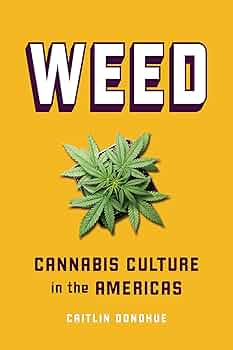
Weed: Cannabis Culture in the Americas by Caitlin Donohue. Published 2023. Investigates the history, prohibition, and modern legalization of cannabis across the Western Hemisphere. It offers a harm-reduction-focused, interview-based look at the plant’s impact on society, featuring voices from Canada to Argentina.